

Irish buyers continue move to electric vehicles – EY Mobility Consumer Index
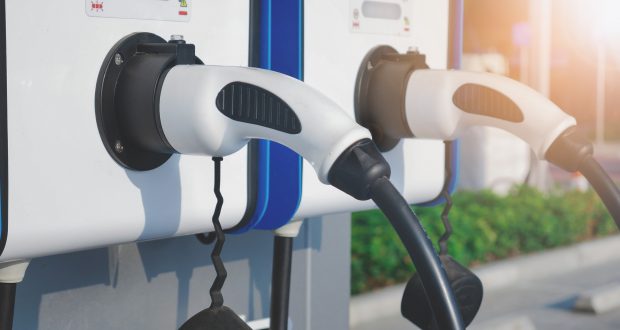
Irish buyers continue move to electric vehicles as momentum builds in Ireland’s transition – EY Mobility Consumer Index
- 40% of Irish car buyers in next two years intend to choose an electrified vehicle
- 36% cite uncertainty over charging and running costs as key barriers to EV purchase
- Just 17% of Irish people feel ready for advanced self-driving technology
- 27% cite high fuel prices as a motivator for switching to electrified vehicles
Ireland’s transition to electrified mobility continues to strengthen, with two in five Irish consumers (40%) planning to purchase an electric vehicle (EV) in the next 24 months, according to new research from EY’s Mobility Consumer Index (MCI).
The findings, which are based on over 500 Irish respondents in the global survey of 32 countries, reveal that environmental concerns (37%), lower running costs (31%), increased EV range (30%) and high fuel prices (27%) are the primary drivers behind Irish consumers’ growing interest in electrification. However, barriers still persist, with more than one-third (36%) citing uncertainty around charging and running costs as a deterrent, while 31% point to a lack of charging infrastructure in their area.
The research comes at a time when Ireland’s private car market is undergoing significant change. Recent CSO figures show that in 2025, electric and hybrid vehicles represented 57% of new registrations, an increase of 11 percentage points from 2024. The higher proportion of EVs in actual registrations compared to consumer intent may reflect several factors, including the influence of incentives and market conditions at the point of purchase that may shift consumer decisions beyond initial intentions
Julia Ann Corkery, EY Ireland Transport Leader, said: “What we’re seeing in the Irish market is sustained and growing demand for electrified vehicles, with 40 percent of prospective buyers indicating an intention to choose an electrified option. Building on last year’s rebound in EV sales, the findings highlight strong consumer motivations around sustainability, lower running costs and improved vehicle performance, which continue to underpin Ireland’s transition to cleaner mobility.
“Alongside these factors, broader market trends are also contributing to interest in EVs, including the increasing availability of more competitively priced EV models. We have seen clear movement across Europe toward lower‑cost options entering the market, which is helping to make electrified vehicles more accessible.
“While consumers still have practical questions around charging and overall running costs, a lot of which relates to their specific housing circumstances and associated off-street parking, or not, these are typical considerations in any maturing market. Ongoing investment across the public, private and local‑authority landscape in Ireland is helping to build confidence, and as infrastructure and technology continue to progress, the fundamentals for EV adoption in Ireland remain very solid.”
Car buying preferences align with market reality
Among the 40% of Irish respondents planning to purchase an electrified vehicle, preferences closely mirror current market composition:
- 15% intend to buy a full hybrid
- 15% plan to purchase a battery electric vehicle (BEV)
- 10% are considering a plug-in hybrid (PHEV)
Meanwhile, 51% of prospective car buyers still plan to purchase an internal combustion engine (ICE) vehicle, with the remainder undecided. This underlines that despite the momentum towards electrification; there is still some way to go in the transition.
Practical concerns dominate EV hesitancy
For those not planning to purchase an EV, cost-related factors feature prominently:
- 36% cite uncertainty surrounding charging and running costs
- 31% point to insufficient charging infrastructure nearby
- 30% are concerned about upfront purchase costs
- 30% worry about battery replacement expenses
“Whilst public confidence continues to build, charging infrastructure remains a practical concern for many buyers. The State, through Transport Infrastructure Ireland and ZEVI, has played a significant role in accelerating delivery, with three grant schemes rolled out between 2024 and 2025 to support investment in high‑power charging, particularly along the national road network. As EV penetration within the national fleet grows, we expect the private market to play an increasingly important role in expanding the charging network, complementing ongoing public investment.
“A recent review of planning activity shows a strong pipeline of new multi‑bay EV charging pools, which should go some way toward addressing the concerns raised by consumers who remain unsure about charging availability and running costs. However, neighbourhood charging continues to be a challenge, particularly for city‑centre and apartment‑dwelling households without off‑street parking. This is an area of increasing focus for local authorities, several of whom have now published strategies for public charging provision in constrained urban environments.
Taken together, the findings suggest that while Irish consumers are steadily moving toward electrified mobility, the transition remains nuanced, with motivations and practical considerations shaping the pace of change. The data reflects a market that is evolving rather than shifting overnight, with consumer intent, broader cost factors and infrastructure developments all influencing the direction of travel,” continued Corkery.
Connected features valued, but concerns around automation remain
The survey also examined attitudes toward connected car technology and autonomous driving. Irish consumers show practical preferences, prioritising safety, security, navigation and maintenance services over entertainment features or advanced self-driving capabilities.
However, cost remains a significant barrier, with 36% of respondents citing the high price of connected services as a major concern. When it comes to autonomous driving, Irish consumers remain cautious, with 70% expressing comfort only with lower levels of automation like basic driver‑assistance features, and just 17% feeling ready for more advanced self-driving capabilities.
Key concerns about autonomous vehicles include accident risk (42%), potential technology failures (30%), and data security issues (23%).


