
Ireland Holds Tight in a World of Geopolitical Uncertainty and US Policy Shifts

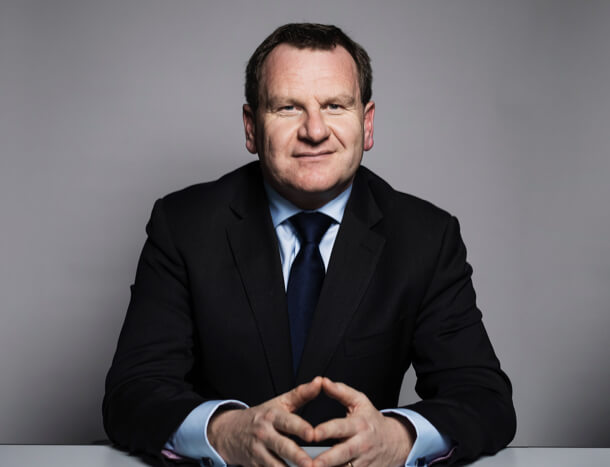
Ibec’s Danny McCoy tells IFCR how Irish resilience, reliability and steadfastness will keep us steady
The business community is rightly worried about geopolitical uncertainties and the potential impact on the Irish economy. IFCR asks should they be?
“From the implications of US policy shifts to ongoing unrest in the Middle East, the reality is that businesses are now operating in a global environment of frequent external shocks” said Mr McCoy.
“However, the resilience shown by the Irish economy and the business community in navigating these challenges has been remarkable. This is likely why, in our recent global engagements across North America and Europe, Ireland continues to be viewed as a reliable and stable investment partner”
Rising Fuel Prices
Rising fuel prices ripple across all sectors – how should the Irish Government mitigate the impact?
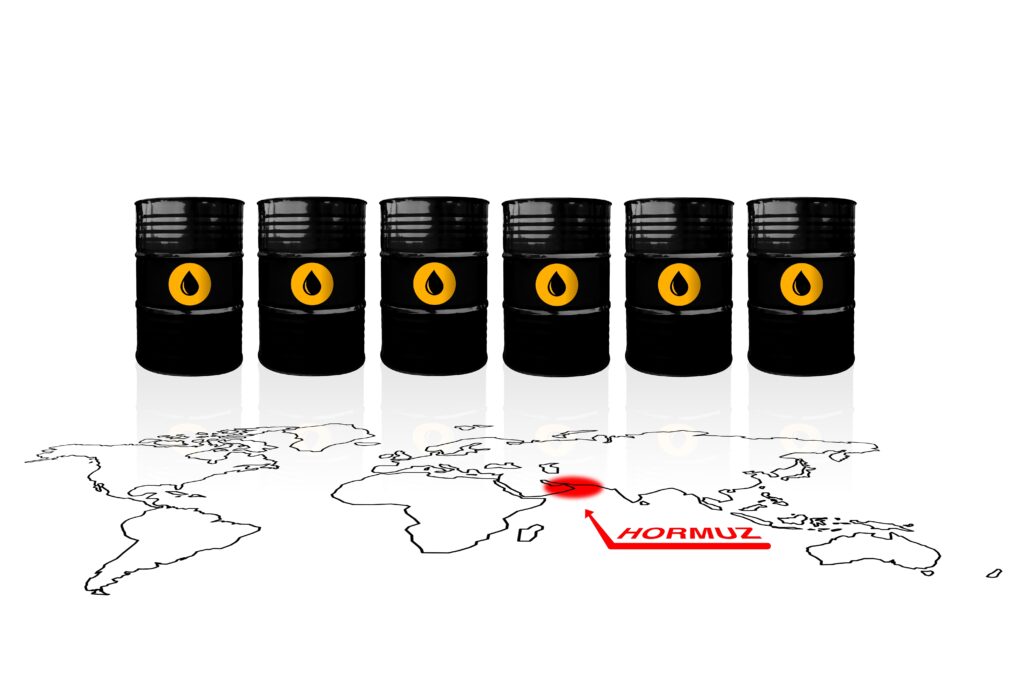
“Cost competitiveness has been a significant concern for some time. While driven partly by rising labour costs, increases in operating costs – particularly energy – have heightened the pressure on businesses struggling with eroded margins. For example, businesses with transport requirements are reporting a significant spike in overheads. Even small businesses with only one or two delivery vans are reporting cost increases of up to €700 per week. Given the instability in the Middle East, we could see costs remain volatile for some time.
“While recent Government measures rightly targeted oil users, we must look ahead. If natural gas prices rise, electricity price inflation will follow. Ireland must prepare a comprehensive range of options immediately to support users before the situation escalates. As Ibec stressed in our late 2024 reporting, the long-term solution is decarbonisation and grid investment; however, in the short term, we need a reduction in the volume of fixed costs that users are forced to absorb—which can make up nearly half of some commercial bills.”
Engaging with Government
What interactions has Ibec had with Government on these matters?
“Ibec has been intensely engaged on the energy cost issue for some time, which includes advocating for ways to accelerate our journey toward renewable energy. Since the recent escalations in the Middle East and the resulting instability in global energy markets, we have been in constant dialogue with the Government to find ways to support vulnerable businesses and employees most impacted by the energy crisis.”
Government Support Packages
Forecourt and convenience retailers are often small, independent businesses feeling the brunt of these prices. Can anything be done to support them?
“Ibec, through our agri-food and retail trade associations, was instrumental in shaping the most recent Government support package. This was a necessary addition to the previously allocated €250 million in targeted supports designed to assist those experiencing immediate financial pressure. For retailers, we continue to lobby for “cost of doing business” grants that specifically recognise the unique position of retailers who act as essential infrastructure in their local communities.”
Recent Protests
In times of uncertainty, panic buying can take hold. Is there anything that can be done to ensure businesses and consumers ‘stay calm’?
“Ibec is deeply conscious of the pressures facing individuals. However, recent protests and the targeting of essential infrastructure were counterproductive and penalised local communities and retail workers. When the retail sector is already navigating razor-thin margins, such disruptions are detrimental. Our economy is in a strong position to address these concerns while supporting consumer confidence. Through Budget 2027 and other fiscal measures, the State is well-positioned to support the most vulnerable without the need for public alarm or disruption to the supply chain.”
Strength in Diversity
How does Ibec manage to balance representation across so many diverse interests? Do you need to prioritise?
“Our strength lies in our diversity. We represent over 39 trade associations, and while their day-to-day issues differ, their “macro” needs are often aligned. They all require a stable economy, a talented workforce, and competitive operating costs. We prioritise by focusing on the “common denominators” of business success, while also enabling our trade associations to lead on the issues of importance for their specific sectors.”
Priorities
In terms of lobbying and policy work, what are Ibec’s current priorities?
“Ibec continues to work on a broad range of issues on behalf of the business community. Our priorities for the upcoming Irish Presidency of the EU, we are highlighting Resilence and Competitiveness.
“These include ensuring that Ireland delivers on its infrastructure ambitions, continuing to invest in the skills needed for a modern digital economy, and—in an increasingly volatile world – ensuring Ireland makes the necessary investments in security and defence to protect our most valuable assets and ensure businesses have certainty regarding critical infrastructure.”
Net Zero
How is Ireland doing in terms of meeting sustainability and transition targets?
“The transition to a net-zero circular economy presents major opportunities to grow the Irish economy and enhance energy security. In a changing world, investors and talent follow environmental integrity; moving away from high-carbon activities is now an economic imperative. However, Ireland’s ambitious targets are not yet backed by the necessary policies and resources. We lack a clear vision for what a circular net-zero economy looks like in practice. There remains uncertainty regarding the role of different technologies and how the transition will be financed. Along with scaling up investment, we need a speedier roll-out of infrastructure.”
Business Ambition
What successful campaigns and outcomes has Ibec had in recent years?
“The last few years have been shaped by geopolitical uncertainty, shifting markets, and the accelerating pace of AI. Our recent impact has been driven through a number of our campaigns including Our Business Ambition, which focuses on making Ireland more competitive and enhancing productivity, our Work Just Got Smarter campaign explores the opportunities of AI for our economy and businesses and our Open for Business initiative promotes the importance of an open and tolerant society for our economic model. Looking ahead, our EU Presidency campaign is championing the Single Market’s potential, seeking to enhance EU competitiveness, prepare for evolving digital skills, and highlight the growing importance of security and defence for business.”
Digital Frontrunners
Regarding Technology and AI- how do you see the benefits, threats, and opportunities for Ireland?
“Being a leader in AI and digital matters is crucial for our competitiveness. While Ireland is well-positioned as a digital frontrunner, progress is needed to close gaps in digital readiness among smaller firms and meet 2030 targets. The opportunity lies in using AI to solve labour shortages and improve productivity, particularly in the retail sector. The threat, however, is the pace of regulation- Ireland must ensure that we maintain a “pro-innovation” environment so that businesses of all sizes can secure future investment.”


